
من التوريد إلى الدفع مقابل من الشراء إلى الدفع: ما الفرق بينهما؟
Source-to-pay (S2P) and procure-to-pay (P2P) are closely related, but they are not the same process. Procure-to-pay focuses on the operational cycle from requisition through purchasing, receiving, invoicing, and payment. Source-to-pay is broader. It includes sourcing, supplier selection, and contracting before the transactional purchasing cycle begins. In simple terms, P2P helps organizations buy and pay efficiently, […]
دورة المشتريات من التوريد إلى الدفع: دليل عملي للمؤسسات الحديثة
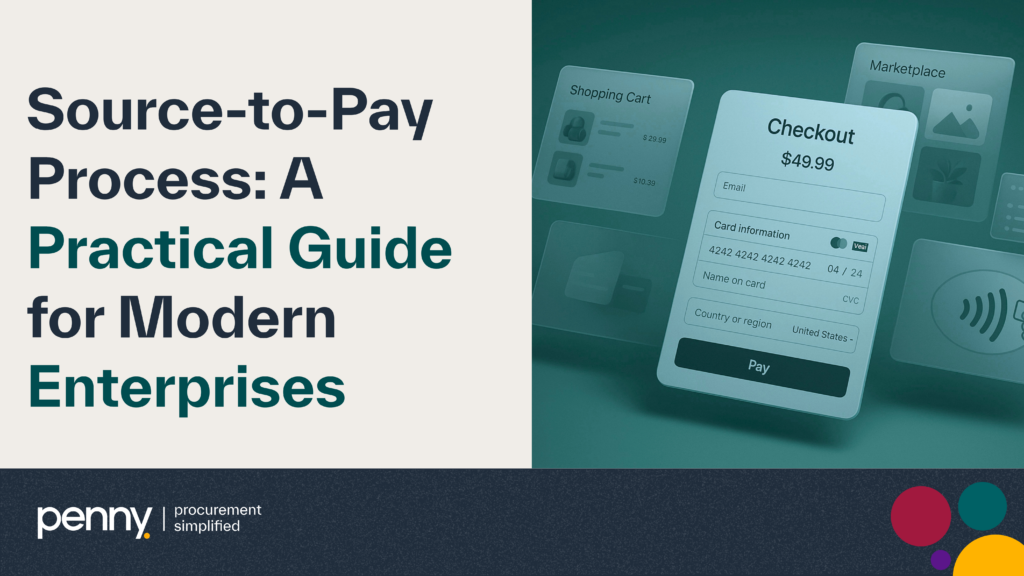
The source-to-pay process is the end-to-end procurement workflow that covers every step from identifying a business need and sourcing suppliers to issuing purchase orders, receiving goods or services, and completing payment. It connects sourcing, procurement, approvals, supplier management, and invoicing into one controlled process. When managed well, source-to-pay helps organizations reduce manual work, strengthen spend […]
The Hidden Opportunity in Tail Spend Most CFOs Ignore
Turning Fragmented Transactions Into Strategic Value Tail spend refers to the high volume of low-value, fragmented purchases that typically represent 10–30% of total enterprise spend but up to 80% of procurement transactions. When left unmanaged, tail spend increases costs, weakens compliance, and reduces visibility. When structured properly, it becomes a measurable source of savings, efficiency, […]
Enterprise Procurement Control Framework
How to Design Policy, Workflow, and Data for Sustainable Governance An enterprise procurement control framework is the structured system that embeds procurement policies, approval workflows, and spend data into a unified digital process. Instead of relying on policy documents or manual oversight alone, modern procurement control integrates governance directly into procurement workflows. This approach ensures […]
Enterprise Procurement in a High-Interest Rate Environment
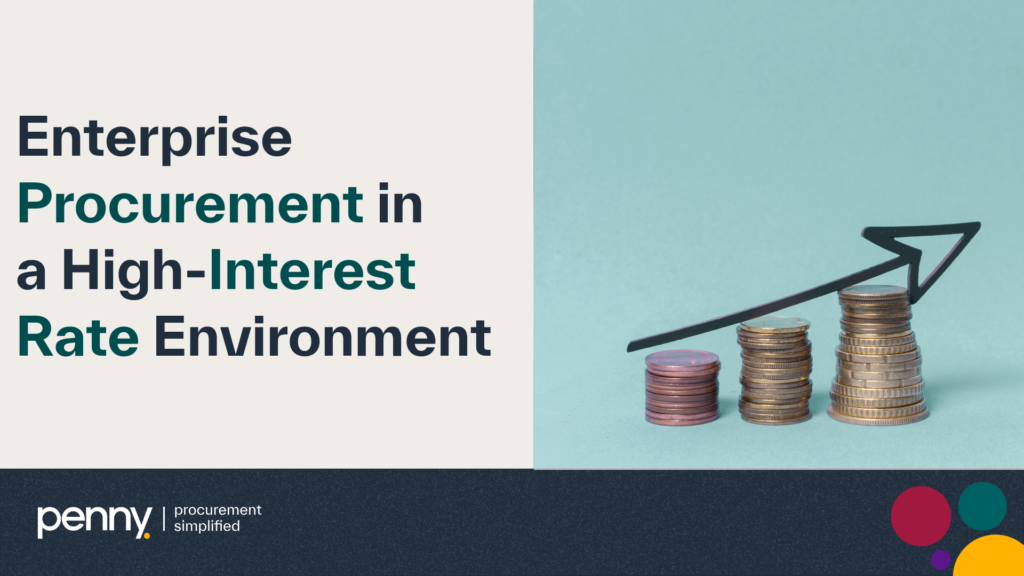
Protecting Cash Flow and Working Capital Through Procurement Visibility Enterprise procurement plays a critical role in protecting cash flow when interest rates rise. As the cost of capital increases, organizations must control committed spend, supplier obligations, and contract structures more carefully. Procurement visibility allows finance teams to forecast cash outflows earlier, manage working capital more […]
The Visibility Gap Between Procurement and the Board
Why Operational Data Rarely Translates Into Executive Insight Boards today expect clarity. They review financial exposure, strategic risk, liquidity forecasts, and governance performance regularly. Yet in many enterprises, procurement reporting fails to meet board level expectations. Not because procurement lacks activity. Not because data does not exist. The gap emerges because operational procurement metrics are […]
The Procurement Automation Myth Most Enterprises Still Believe
Why Automation Alone Does Not Deliver Strategic Impact Procurement automation has become a standard objective in enterprise transformation agendas.Organizations aim to automate approvals, streamline purchase orders, and digitize invoice matching. Efficiency improves as a result. Yet many enterprises overestimate the strategic value of these initiatives. The common assumption is that automating transactions automatically elevates procurement […]
Is Your Source to Pay Process Built for Scale or Just Survival?
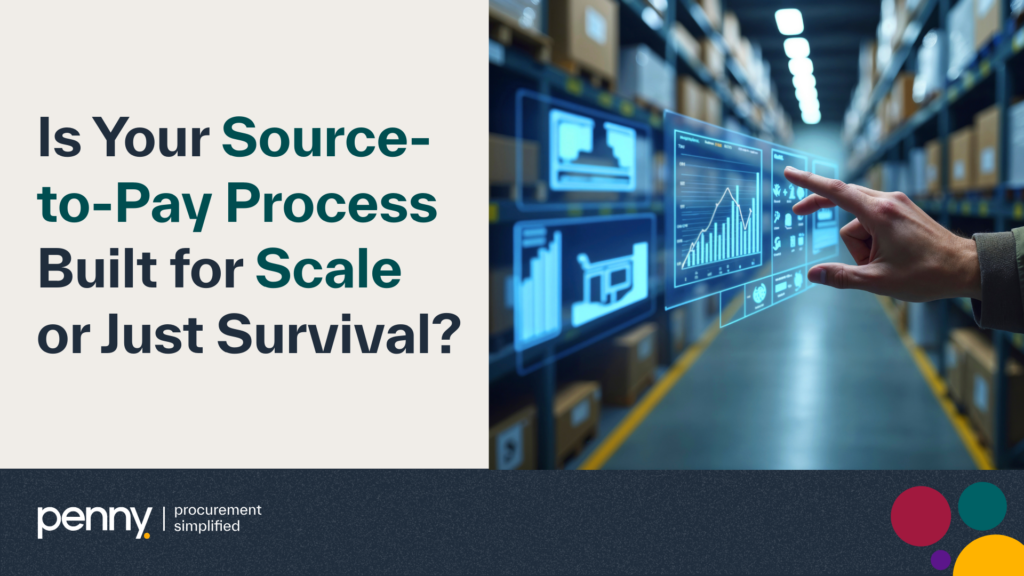
A Strategic Assessment for Growing Enterprises Many organizations operate Source to Pay processes that function adequately under current conditions. However, growth introduces complexity. Additional entities, regulatory requirements, higher transaction volumes, and expanded supplier bases place pressure on processes that were not designed for scale. The difference between survival and scalability lies in structure. Visibility Into […]
From ERP Dependency to Procurement Agility
Why Enterprises Are Rethinking Legacy Procurement Architecture For decades, enterprise procurement has operated within ERP systems. ERPs brought standardization, financial control, and data consolidation at scale. They remain foundational to enterprise infrastructure. However, many organizations now recognize a structural limitation. ERP centric procurement models were built for accounting control, not operational agility. As supply volatility […]