
Procurement Management Software for Transportation Companies
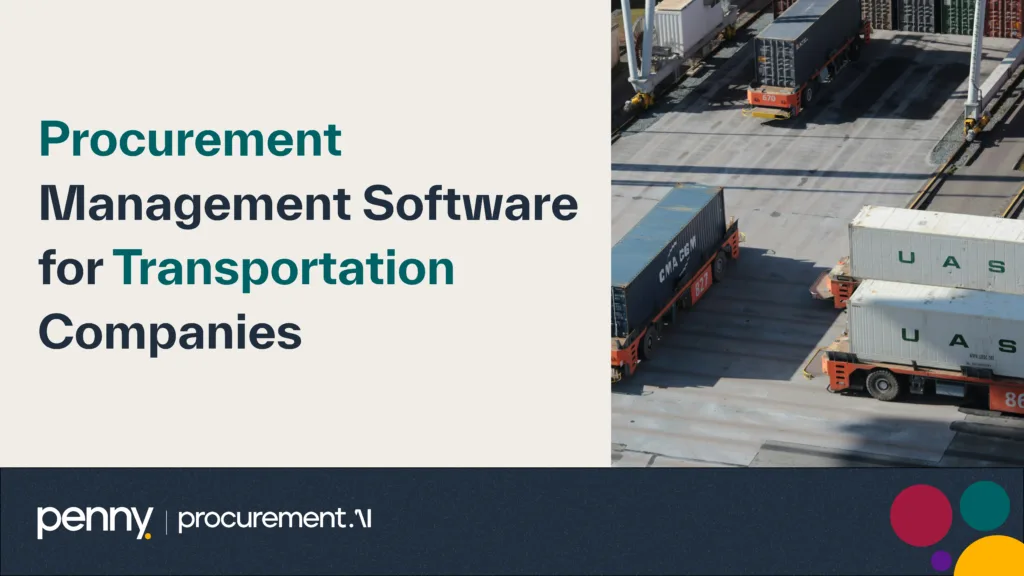
Procurement management software for transportation companies is a digital platform that automates the purchasing cycle for organizations operating fleets, freight networks, or logistics services. It centralizes supplier management, standardizes sourcing through requests for quotation, automates approval workflows, and enforces spend policy across every route and business unit. For a sector where a single delayed part […]
What is Public Procurement
Public procurement is the formalized process government entities use to acquire goods and services from external suppliers. These entities include ministries, municipalities, and public institutions. Specific regulations and contractual frameworks govern these activities. As a result, they ensure transparency, fairness, and accountability in the use of public funds. Public procurement covers a wide range of […]
What is Oil and Gas Procurement?

Oil and gas procurement is the specialized process organizations in the sector use to source, contract, and manage the materials, equipment, and services needed for exploration, production, and distribution. These purchases are high value and technically complex. They involve strict regulatory obligations and a diverse global supplier base. Unlike generic B2B procurement, this vertical needs […]
Local Content Compliance: The Hidden Requirement Behind Every Saudi Tender
Local content compliance is the practice of tracking, calculating, and reporting how much of an organization’s procurement spend supports local suppliers, local manufacturing, and national workforce participation. In Saudi Arabia, the Local Content and Government Procurement Authority, known as the LCGPA, sets the official criteria for this measurement. Procurement teams that align with LCGPA guidelines […]
What is Centralized Procurement?
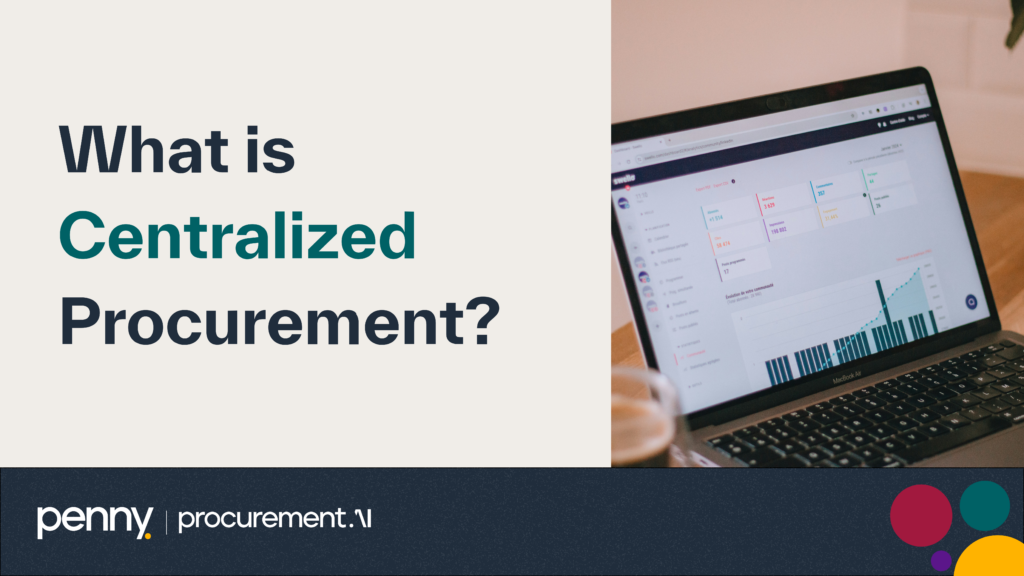
Centralized procurement is a structured approach in which a single department or team controls all purchasing activities for an entire organization. By consolidating decision-making, processes, and technology into one system, centralized procurement delivers end-to-end visibility and improved supplier management. Moreover, it eliminates redundant efforts and enhances purchasing power. Organizations typically adopt this model to optimize […]
Local Content for Procurement Teams
Local content for procurement teams means prioritizing goods, services, and suppliers that support local economic development. In practice, procurement teams integrate local supplier qualification, assessment, and spend targets into their sourcing strategies. As a result, they comply with government policies, unlock incentives, and advance localization goals. Today, local content requirements shape procurement workflows in construction, […]
Hospitality Procurement in Saudi Arabia

Hospitality procurement in Saudi Arabia covers the end-to-end process hotels, resorts, and hospitality groups use to select, purchase, and manage goods and services. It spans everything from room supplies and food and beverage to facility management and FF&E (furniture, fixtures, and equipment). Effective procurement in this sector demands a balance of cost control, vendor compliance, […]
What Is a Local Content Certificate

A Local Content Certificate is an official document that verifies how much local value an organization creates. Specifically, it covers goods, services, workforce, and assets within Saudi Arabia. In practice, the certificate proves that a supplier or contractor meets government thresholds for local sourcing, local hiring, and national economic support. Regulatory bodies, namely Saudi Arabia’s […]
Centralized vs Decentralized Procurement: Which Model Fits Saudi Companies?
Centralized procurement consolidates purchasing activities under one central team, enabling greater process standardization, cost savings through volume leverage, and improved spend visibility and control. Decentralized procurement, by contrast, delegates buying authority to individual business units or regional offices, improving speed, flexibility, and local market adaptation. For Saudi companies, the choice between centralized and decentralized procurement […]