
What Is Intake Orchestration?
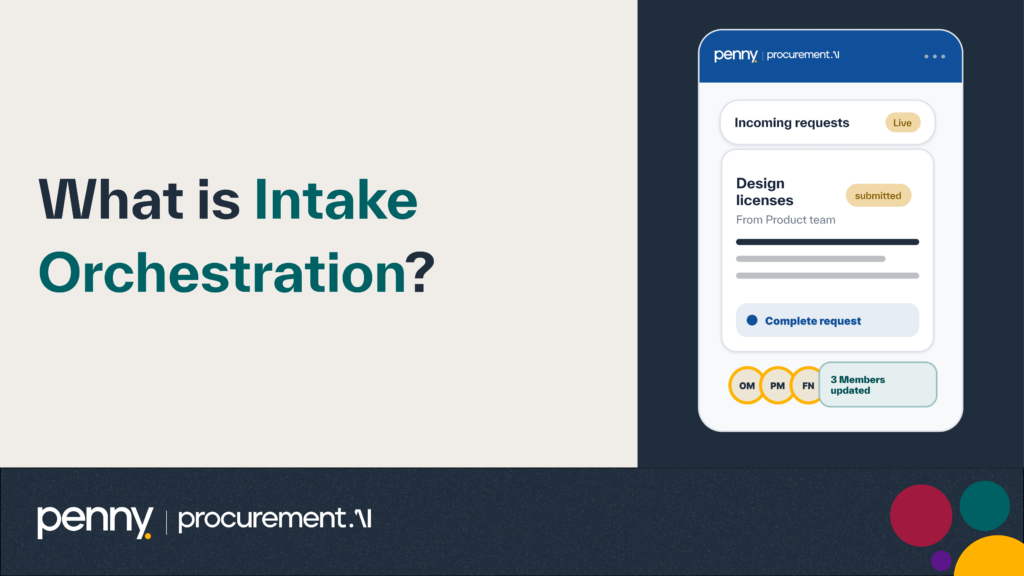
Ask an employee how to buy something at their company, and the answer often depends on who you ask. One person emails procurement directly. Another fills in a form they found on the intranet. A third messages a colleague who “knows how it works.” Each route produces different information, different approvals, and different outcomes. Procurement […]
How Penny AI Automates the Procurement Lifecycle from Request to Payment
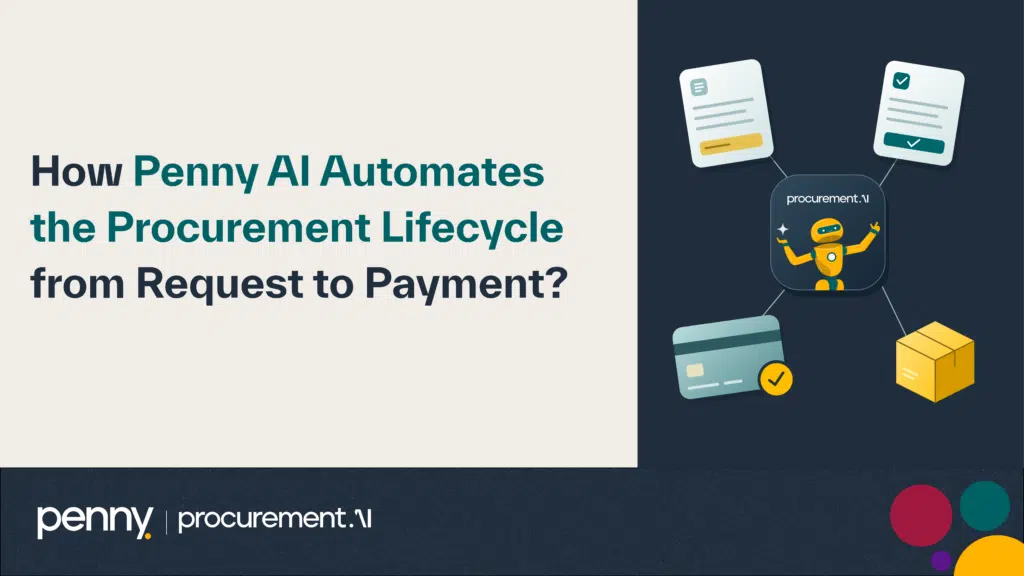
Most procurement teams do not suffer from a shortage of process. They suffer from too many of them, spread across disconnected tools. A request starts in a form and moves to email for approval. It lands in a spreadsheet for sourcing, then gets re-keyed into an accounting system weeks later. Every handoff loses data, skips […]
5 Risks of Manual Contract Management That Could Threaten Your Business
Every contract an organization signs carries obligations, deadlines, and terms that someone has to keep track of. For many businesses, that someone is a spreadsheet, a shared drive, and a few people who remember where things are. The arrangement works until it quietly stops working, usually at the moment it matters most. Manual contract management […]
E-Sourcing vs. E-Procurement: Are They the Same?
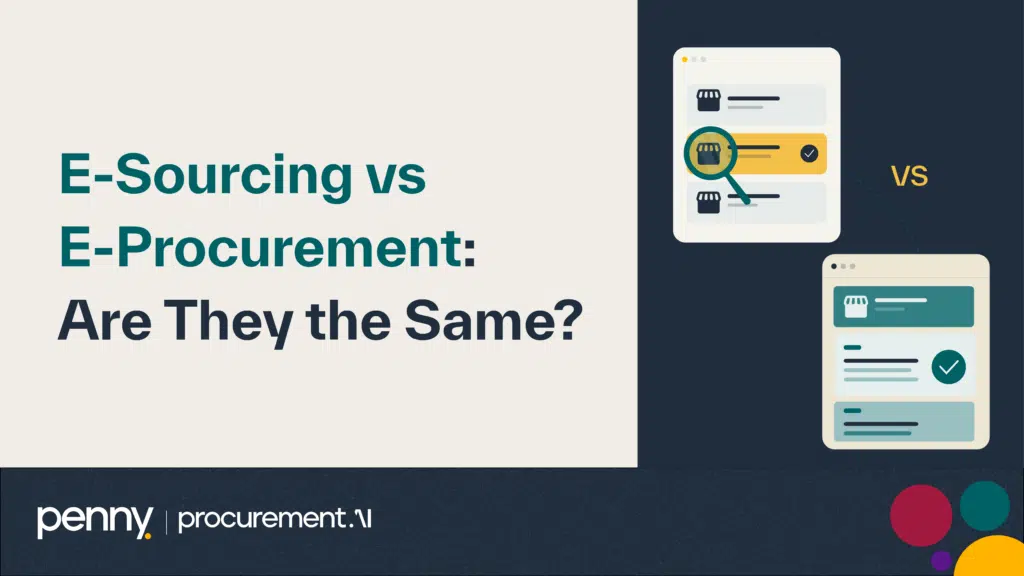
Digital procurement vocabulary has a habit of blurring. Vendors use overlapping terms, and analysts draw the boundaries differently. Procurement teams inherit systems labeled one thing while doing another. E-sourcing and e-procurement sit at the center of that confusion. Many teams treat them as interchangeable, yet they describe different work. They are not the same, though […]
Tail Spend Management for Non-Profits
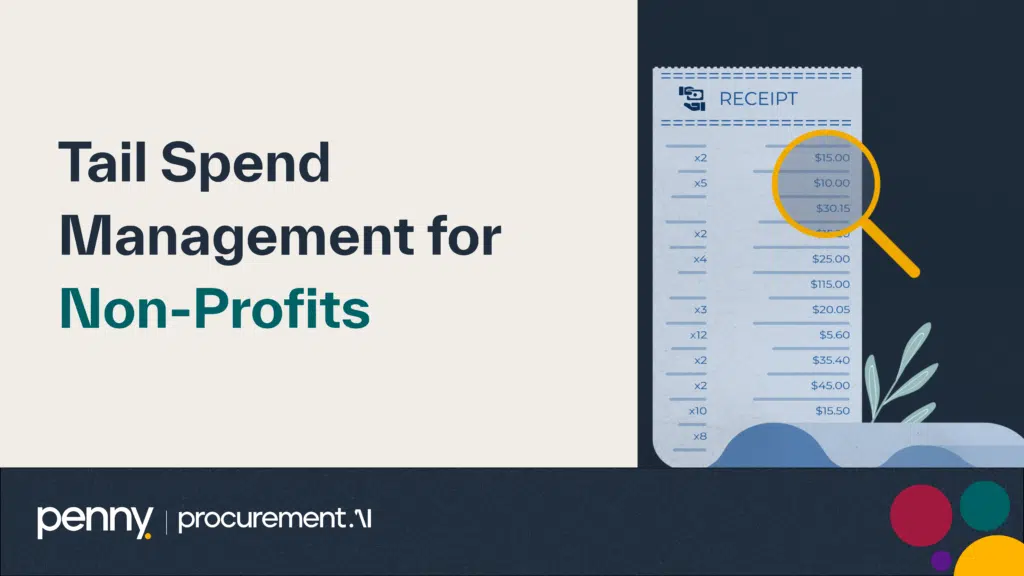
Tail Spend Management for Non-Profits Non-profit procurement attracts attention at the big end: the major grant-funded contract, the annual supplier agreement, the capital purchase that goes to the board. The small purchases rarely get the same scrutiny. Yet they happen constantly, across every team, and together they add up to real money and real risk. […]
Best Procurement Management Software for Automotive Retailers
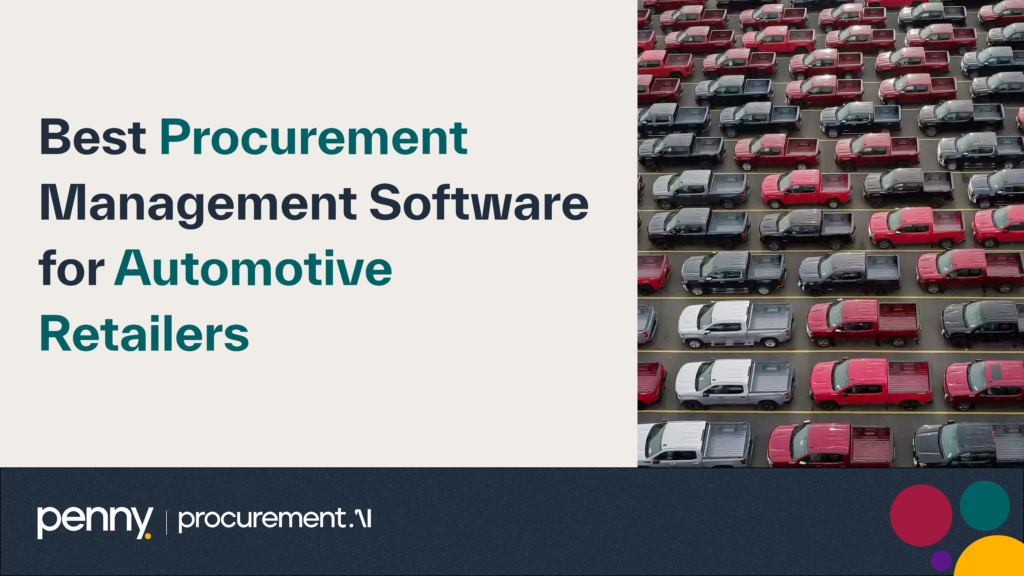
Few retail sectors carry the parts complexity that automotive does. A single dealership or parts retailer may handle tens of thousands of SKUs across OEM and aftermarket lines, with prices that move and suppliers that specialize narrowly. Procurement in that environment is less a back-office function than an operational one. The right procurement management software […]
Why Companies Discover Their Local Content Baseline Score Too Late

Localization has reshaped how companies win work in Saudi Arabia. Buyers now weigh domestic contribution alongside price and capability, and suppliers are expected to prove it with numbers. Local content has become a procurement metric rather than a policy talking point. Yet most organizations only learn their local content baseline score during an internal audit […]
Top Supply Chain Issues in 2026
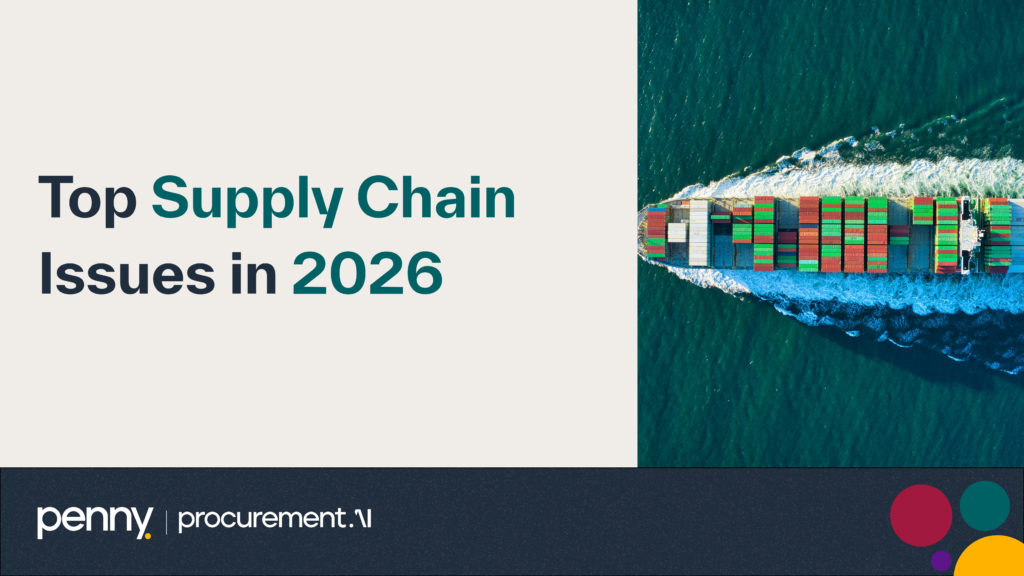
Supply chains have spent the past several years absorbing one shock after another. Each disruption reshaped how enterprises think about sourcing, supplier relationships, and the data behind both. That pressure has not eased in 2026. What has changed is which problems now sit at the top of the agenda. Five issues lead the list this […]
Procurement Management Software for Gyms and Fitness Centers
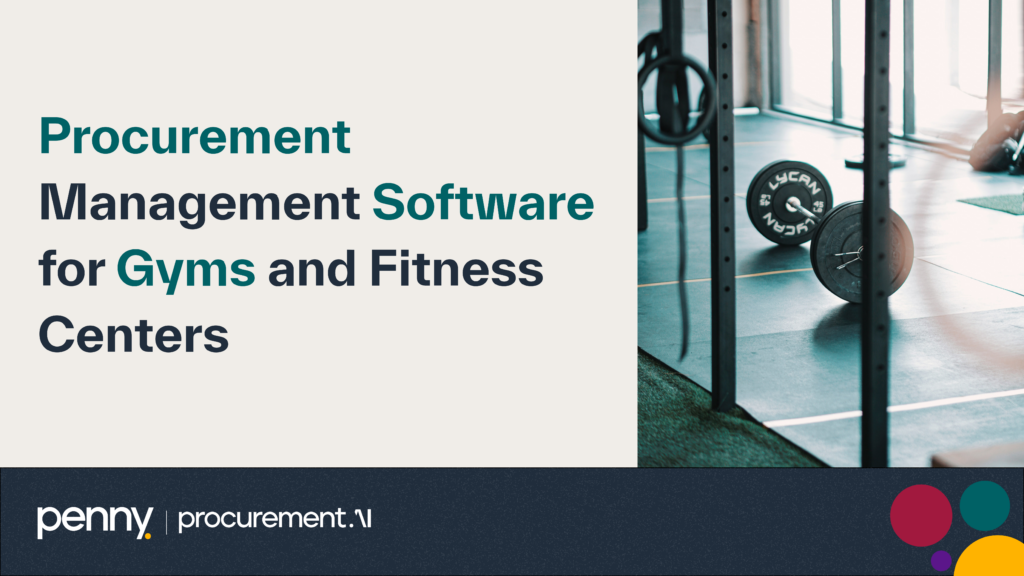
Procurement management software for gyms and fitness centers centralizes and automates purchasing, vendor management, approvals, and cost control. It handles the processes unique to fitness organizations. The software consolidates supplier data, digitizes purchase order (PO) management, and enforces policy-driven spend. Gym operators gain tighter budget control and make fewer manual errors. Everything from sourcing equipment […]